

Weekly Blog - 29 April 2026 - Drilling in the North Sea is still a Bad Idea
With voices loudly calling for more drilling in the North Sea, Ben Niblett explores the energy security we actually need.
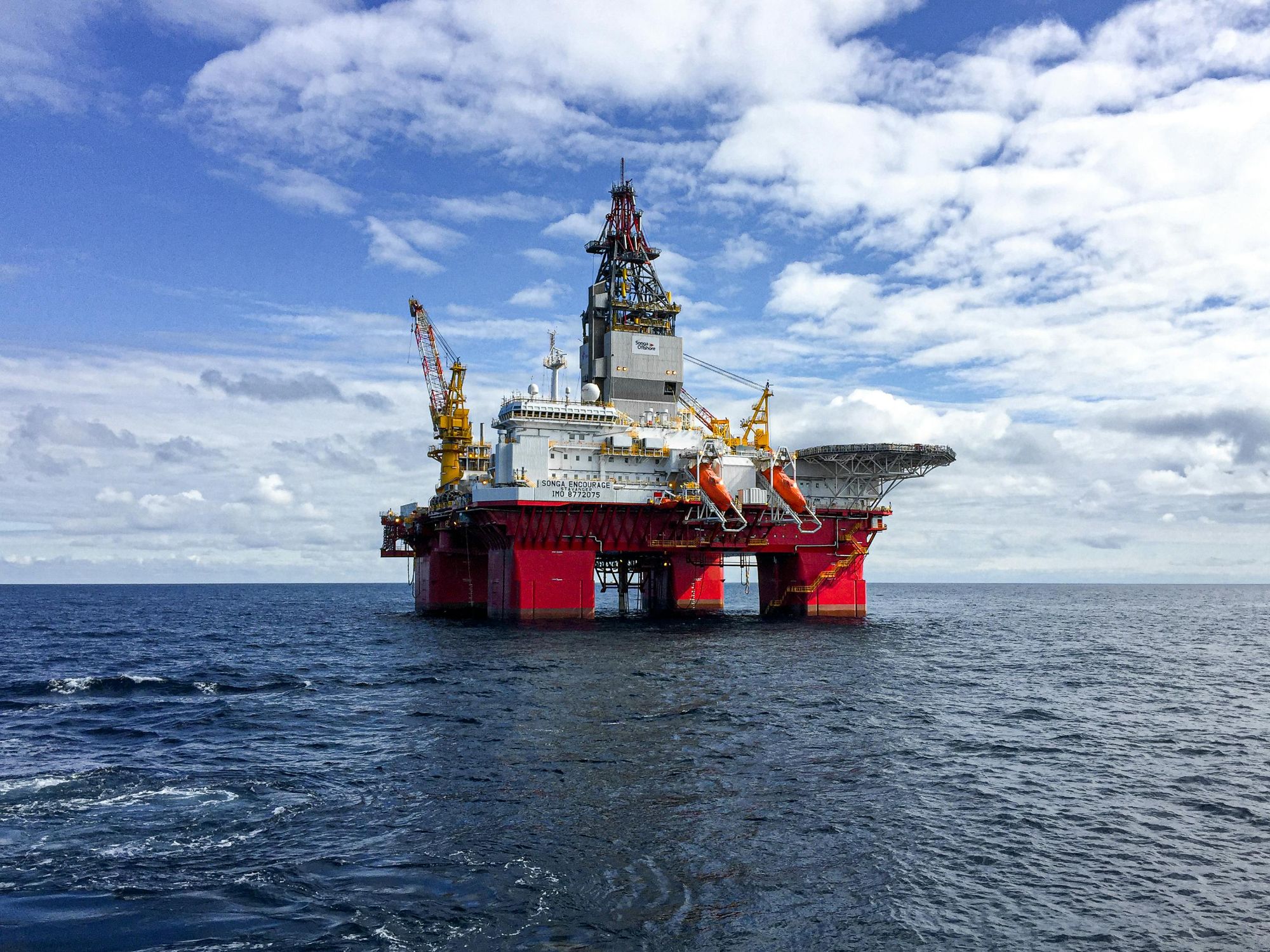
I've heard people talking about more drilling for oil and gas in the North Sea, and you might have conversations like that too. But it's a false solution. Here's why.
Too slow. New oil or gas wells take time – one that started now would come into production in the early 2030s, by which time we won't need it so much, whereas we’ll need help with bills this year.
Too old. The North Sea has been thoroughly exploited for 50 years and there's not much oil and gas left to extract. Jobs in the industry have been shrinking since the 90s, even with the last government doing everything they could to increase production.
Too expensive. Extracting a bit more won't be enough to lower prices, those still get set by the international market.
Too private. The oil or gas company will sell to whoever pays most – oil and gas from new wells would probably be exported.
Too insecure. Oil and gas prices are vulnerable, as we saw when Russia attacked Ukraine in 2022 and OPEC raised oil prices in 1973.
Too irresponsible. We're in a climate emergency, caused mainly by burning fossil fuels, so I can't think of a question which has more oil and gas as the right answer!
I agree with retired Rear Admiral Neil Morisetti, professor of climate and resource security at University College London, who said eking out the remaining North Sea oil and gas is “not the answer. It will not bring down the price for consumers, nor will it deliver long-term energy security. The international markets will determine the price and destination; that is not energy independence,” he said in this Guardian article.
For more detail, try CarbonBrief's North Sea myth buster.
But we have some better solutions
It's much more secure to swap vehicles with engines for electric ones, and boost public transport, walking and cycling. Next time a war starts, we won't suddenly have to pay more money to oil companies to use our shoes or solar panels, unlike gas or petrol. Of course this is also what we need to do for good international development where everyone can use cheap clean electricity (as the Arise Manifesto sets out in Chapter 5) and for climate change (Chapter 6). We’re making progress with nearly a quarter of the UK’s new cars last year being electric - and they're cheaper to drive.
We need to clean up our electricity grid with cheap wind, solar and batteries replacing dirty, expensive gas. We're getting there (with more electricity from wind than gas over the last year, and a new wind power record last month) though if we'd moved faster in the last ten years, we'd have cheaper bills now. We can celebrate that we've stopped using coal.
Gas prices set electricity prices most of the time, because that's how the industry was set up at privatisation, with the most expensive fuel setting the price for the whole grid; and it’s usually gas that is the most expensive. As we add more solar, wind, and batteries they push more gas off the grid and prices gradually fall, but we're talking the next four or five years, not four or five weeks, so our electricity bills will probably jump later this year.
We also need to swap our gas and oil boilers for electric heat pumps. This is a mature technology that works well in Scandinavia, but we're going very slowly, though the £7,500 government grant helps.
And we need to fly less. Aviation fuel costs going up will probably help that, for a while.
Braking and accelerating at once
Pressing the brake and the accelerator at once is confusing, as my driving instructor told me. The energy price shock is an accelerator, speeding up our transition off fossil fuels. Solar and wind were already much cheaper than gas. Now that gap is even bigger. My friend who installs heat pumps and solar panels says she could work 24 hours a day for the next four months and still not keep up with demand.
But the world economy will probably take a knock, hitting the poorest people hardest, the UK included. Rising energy prices puts up most other prices, because most things are still transported in diesel lorries and oil-burning ships.
Food prices are rising even more. Most artificial fertiliser is made using gas and many shiploads of fertiliser are stuck unable to go through the Straits of Hormuz and reach farmers. Less food and higher prices are likely this year and next, with perhaps 45 million more people going hungry around the world.
The Bank of England will probably raise interest rates to help limit this inflation, making it more expensive to borrow the money to build wind farms or battery factories (or anything else), which puts the brakes on the transition from fossil fuels.
Will the accelerator beat the brake? I think so, and that we’ll speed up our escape from fossil fuels. People will remember that sunshine travels millions of miles to get here, and none of those miles are through the Straits of Hormuz. Remembering that will help us put James 1: 27 into practice in the times we live in, “Religion that God our Father accepts as pure and faultless is this: to look after orphans and widows in their distress and to keep oneself from being polluted by the world.” I read this verse as mainly about spiritual pollution, but it reminds me about physical pollution too.
Find out more
Arise Manifesto – Find out more about how the transition to clean renewable energy is an essential part of our mission as Christians in the Arise Manifesto, Arise’s big picture, researched, Biblical, holistic and practical vision for a better world.
Take action – It’s important to read about and better understand these issues. Very important too is not just reading but taking action. Sign up to receive monthly actions from Arise that you can take by yourself, or better still with others in a local church group near you.
Latest news – Latest news from the Arise movement.
Sign up – Found this blog online, or sent it by a friend? Sign up to receive weekly blogs from Arise directly.